

Hi everyone, welcome back to SportsVerse, my twice-weekly newsletter that tells stories you can’t find anywhere else about the intersection of sports, fashion, business, and culture. It’s 2026. Let’s get it. Over 6,000 of you loyal subscribers will receive this in your inboxes today. Thank you for reading!
When I went on my phone on Monday morning, the very last thing I expected to see was Molly Mae announcing a collaboration with Adidas. I was so surprised by it that I wasn’t planning to write anything about it until a certain someone asked me what I thought, and I quickly realised I had a whole lot to say.

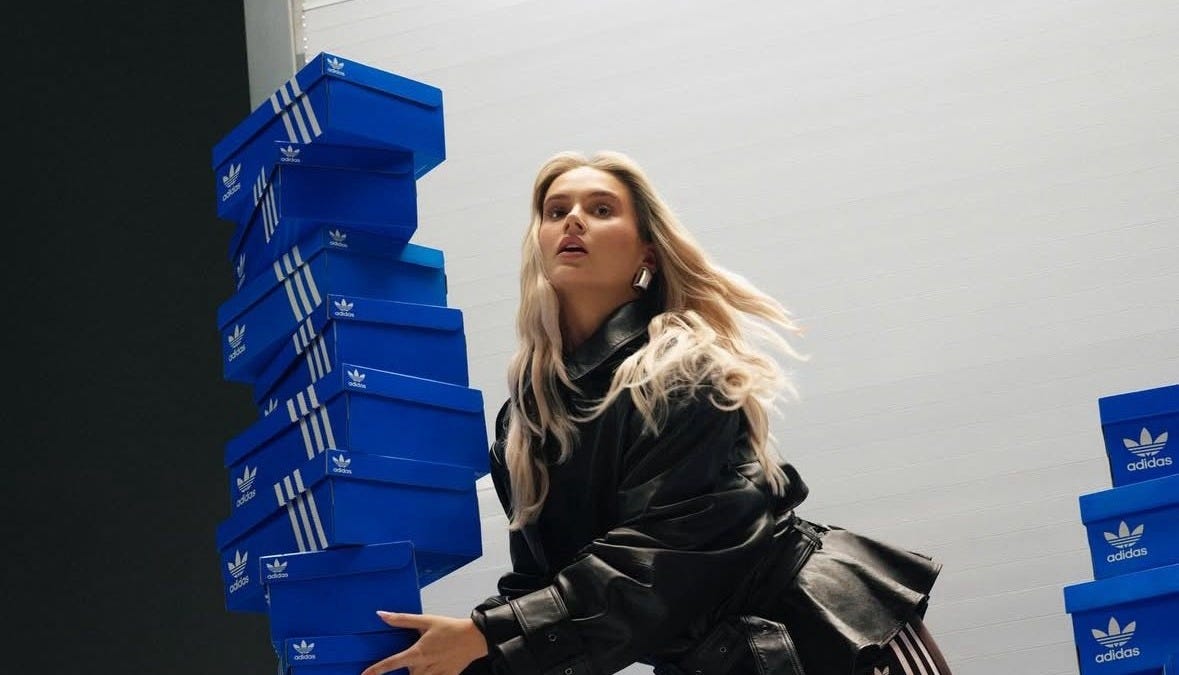
For those who don’t know, Molly Mae (aka the British super-influencer who has parlayed her former Love Island stardom into a lucrative career spanning modelling, influencing and collaborations with brands across the fast fashion and beauty industries) will be partnering with Adidas to launch her own footwear collection, according to her Instagram post on Monday.
Under the post, the Adidas UK account commented: “Yeah this feels special.” I’ll let you read between the lines to deduce how I felt about that sentiment.
I want to caveat the following analysis by saying I know very little about Molly Mae, nor do I have opinions on her either way as a person.
Now that’s out the way, here’s why this upcoming partnership is a classic example of a bad piece of good business by a sportswear brand.
Since the costly dissolution of its Yeezy business unit which threw the company into dire straits in 2023, Adidas has hardly put a foot wrong under CEO Bjørn Gulden. Adidas has gone all in on re-centring the athlete and the power of sport as a core tenet of its product and marketing strategy.
The brand has also honed in on the sporting categories that are essential to its identity, such as football and running, while also exploring opportunities in booming cultural avenues like Formula 1 and challenging Nike (NKE 0.00%↑) in the basketball sneaker category. Adidas has brokered a series of successful collaborations with brands which help signify its cultural awareness, like Belgium’s Arte Antwerp, while re-investing in reviving the cultural appeal of lines like Y-3, infusing their appeal with the brand’s proximity to sporting greatness.

All of the above speaks to why many in the sneaker world were so surprised to see the brand announce an upcoming sneaker collaboration with Mae, the influencer and businesswoman whose biggest fashion experience on her CV to date was her controversial two-year stint as creative director of fast fashion giant Pretty Little Thing, which ended in 2023.) It appears to be the antithesis of everything Adidas has worked to build and show the world in the past few years.
Make no mistake, from a pure business perspective, this deal will perform very well, and no doubt exceed expectations by selling out. Mae has over 8.5 million followers on Instagram alone, and commands a level of avid fandom and loyalty among her demographic of followers that very few traditional influencers have been able to emulate and sustain post-pandemic. The conversion Adidas sees from this deal will be far higher than an equivalent sneaker collaboration with any of their other celebrity ambassadors or top-tier athletes. This is clearly the play: launch a limited, UK-specific sneaker collection focused on attracting and retaining the army of fans loyal to Mae, and swiftly move on.

This is why I describe it as a bad-good business. Optically, for a brand that has worked so hard to repair and rebuild its credibility among the sneaker community with authentic partnerships and compelling product, it strikes a bad tone. Yet simultaneously, I’m sure the results will be stellar for Adidas, both from a financial and audience growth point of view. A quick heat check in the comments of her Instagram post announcing the collab will tell you as much. But the question is, does a company which has recorded double-digit sales growth each quarter for the past 18 months (with projected annual revenue for FY 2025 of around $27 billion), need a collaboration with Molly Mae to keep up brand heat?
The answer may be more nuanced than we first thought. Bank of America gave Adidas a rare double downgrade last week, designating a “sell” rating on Adidas stock, after warning of a possible sales slowdown on the horizon and tougher competition in the sportswear market. I think it’s a contrarian call, and one that signals that financial analysts don’t always have the best grip on the nuances of the sportswear category. But it nevertheless signals that questions are being asked as to Adidas’ ability to continue its winning streak.
Again, while a partnership with Molly Mae will provide a short term boost and certainly lots more new eyeballs and loyal fans, it just doesn’t seem like the right move. In recent conversations with several other people equally invested in the sneaker and sportswear category (including many who work at Adidas!) they all expressed the same thing: this collab feels very 2020. At the time, many people were stuck at home, using their stimi checks or furlough money to buy meme stocks and whatever clothing their favorite influencers were telling them to. But both Adidas and Nike were burned before by gravitating too close to letting influencers be the mouthpieces of their brands, rather than athletes.

I don’t think they’re in danger of coming anywhere close to that again, but this partnership feels like a throwback to a bygone era in the world of sportswear.
It’s bad business, but it’s good business. The two can be true at once.
That’s all I have to say on that for now. I’m genuinely excited to see: (1) which silhouettes Adidas let her collaborate on; 2) how this is received by the wider market. Let me know your thoughts and reactions in the comments or over email.
Before you go, here are some other things I’ve been following over the past week or so.

The Puma Takeover Rumours Just Won’t Go Away
That’s all for today, friends. Thanks for coming along for the ride.
See you next time,
DYM
link